Why Choose Montessori Childcare? Benefits for Adelaide Families | O'Briens Montessori Centre

The Montessori Approach
The Montessori Method of education is named after Italian physician Dr Maria Montessori, who founded the approach in 1906. Dr Montessori believed that children learn best when they are able to discover concepts for themselves through hands-on experience, using their senses, and within a carefully prepared environment designed to support their development.
Through extensive observation of children, particularly those under six years of age, Dr Montessori identified key principles that form the foundation of the Montessori Method. She described two major aspects of development during the early years (ages 0–6).


Living the Montessori Method at O’Brien’s Montessori Centre
The Absorbent Mind
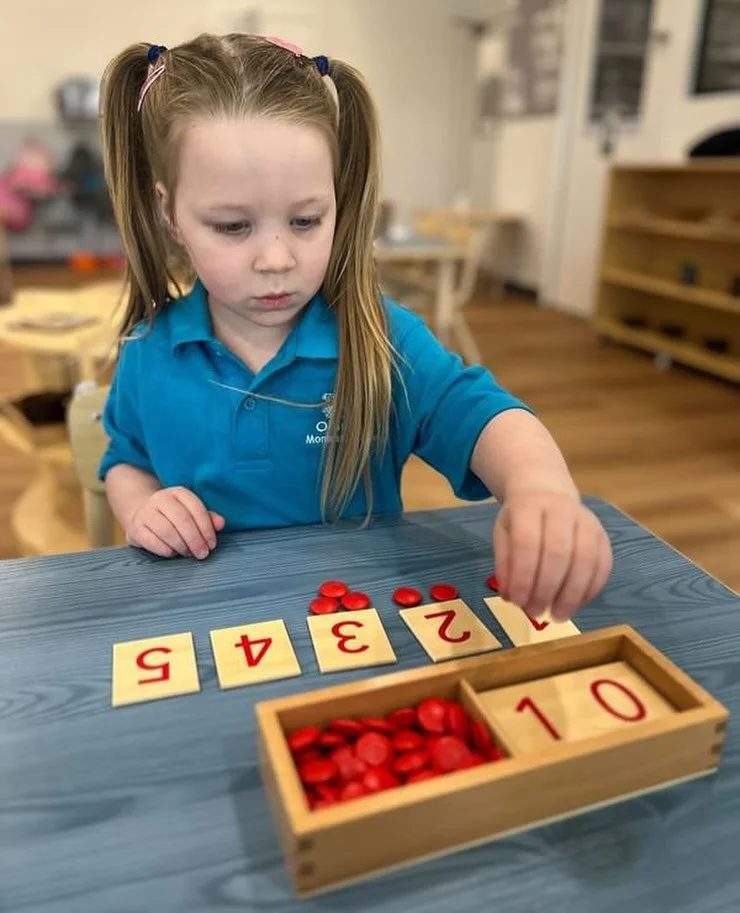
In the early years of life, children have what Dr Maria Montessori called the “absorbent mind.” During this stage, children learn effortlessly by taking in everything from their environment. Without formal teaching, they absorb language, behaviour, movement, and social patterns simply through experience and interaction.
This is why the early years are so important — the environment becomes the child’s teacher, shaping their understanding of the world.
Sensitive Periods of Development
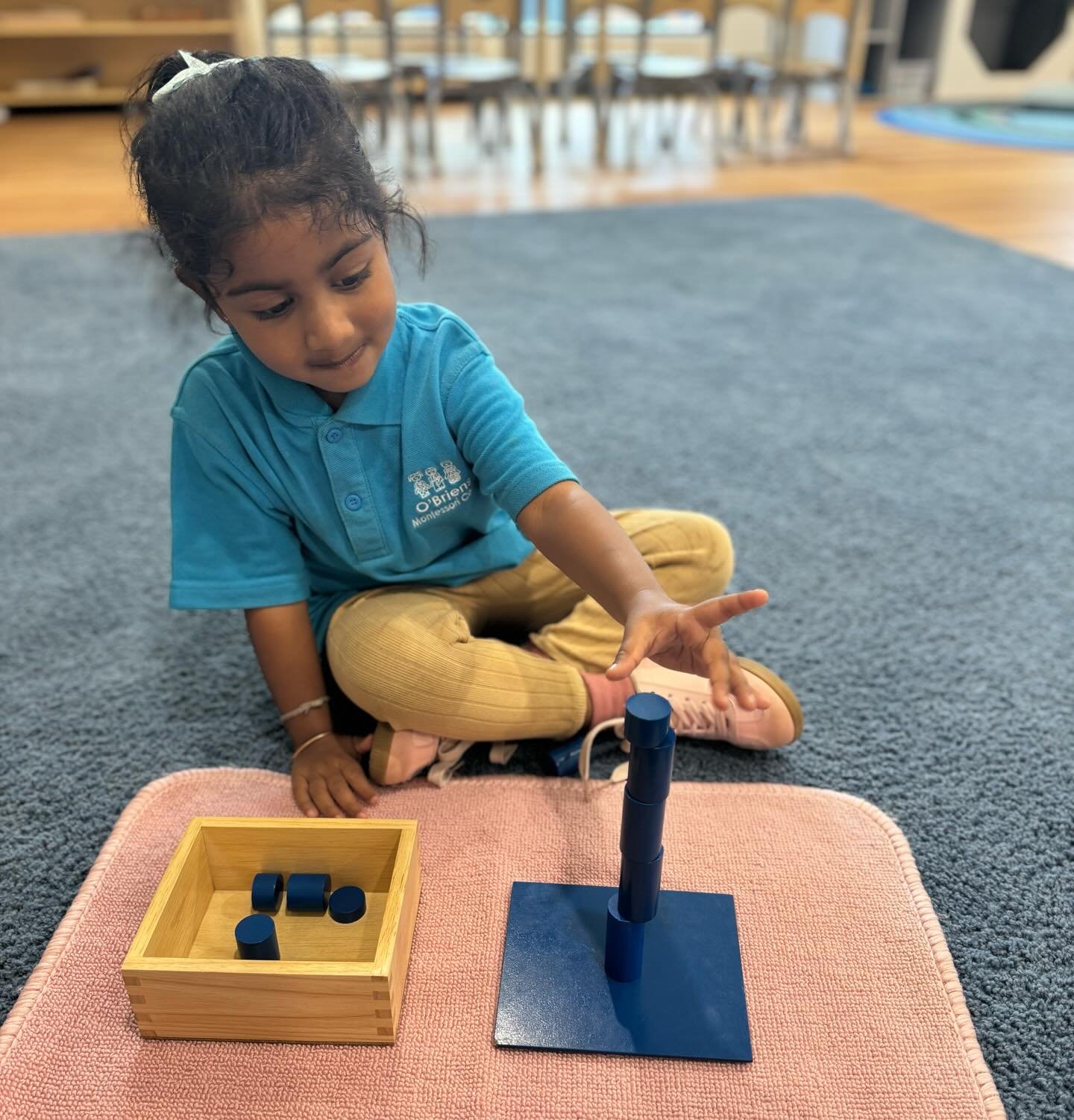
Dr Montessori identified “sensitive periods” as windows of time when children are naturally drawn to develop specific skills such as language, movement, order, and social interaction.
During these periods, learning happens with ease and enthusiasm. While these skills can still be learned later in life, they require more effort once the sensitive period has passed. Recognising and supporting these stages allows children to reach their full potential.
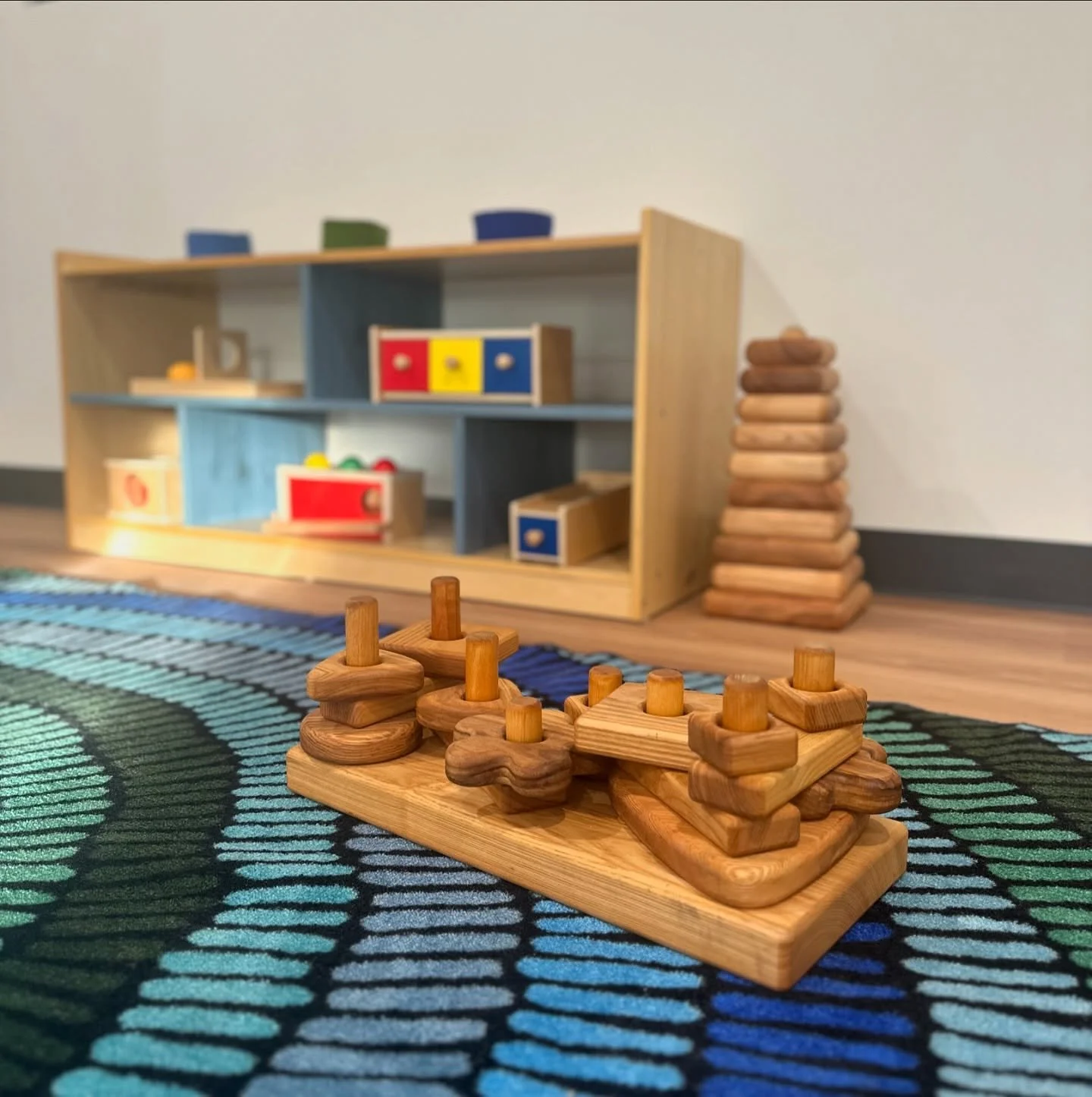
The Prepared Environment
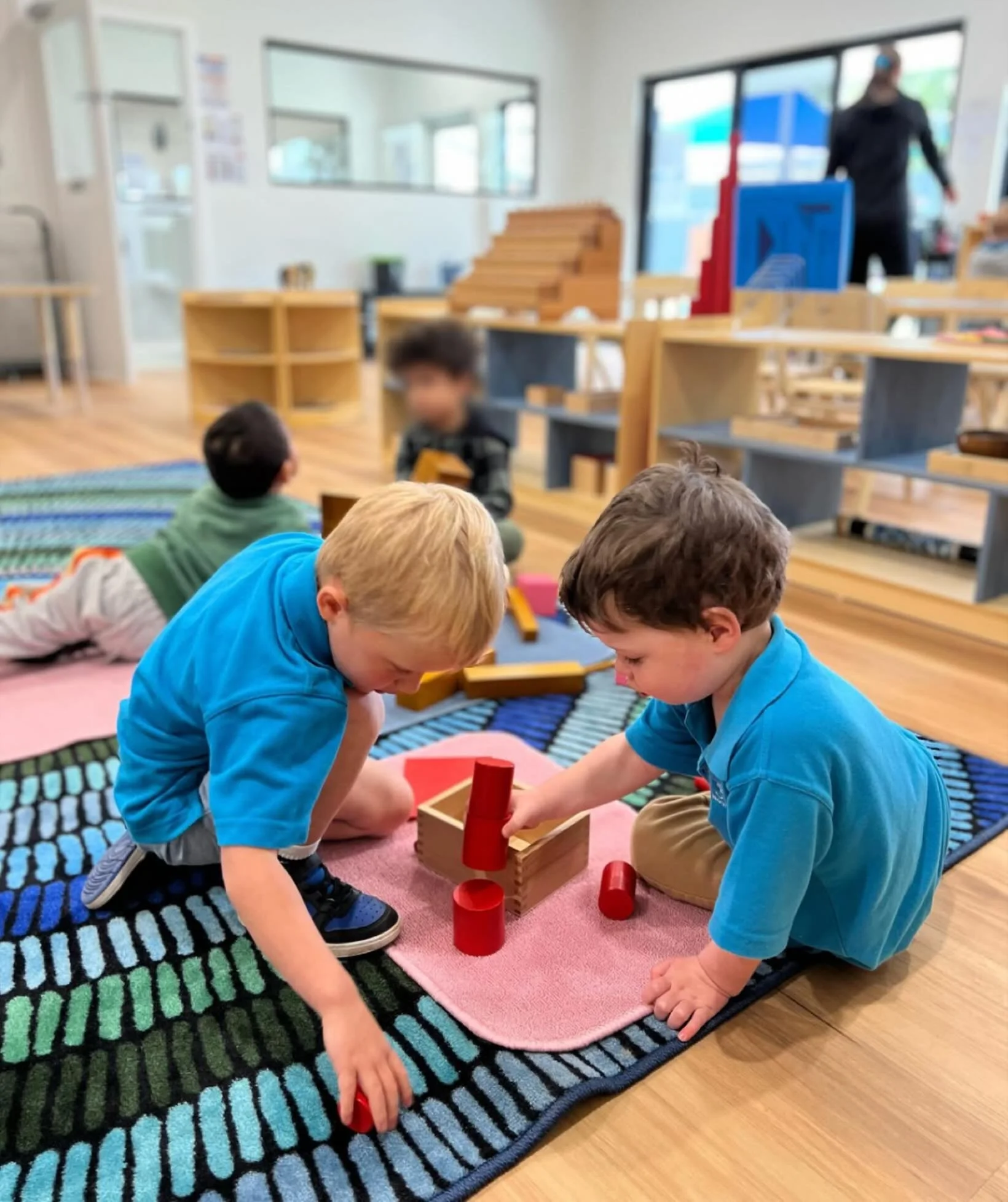
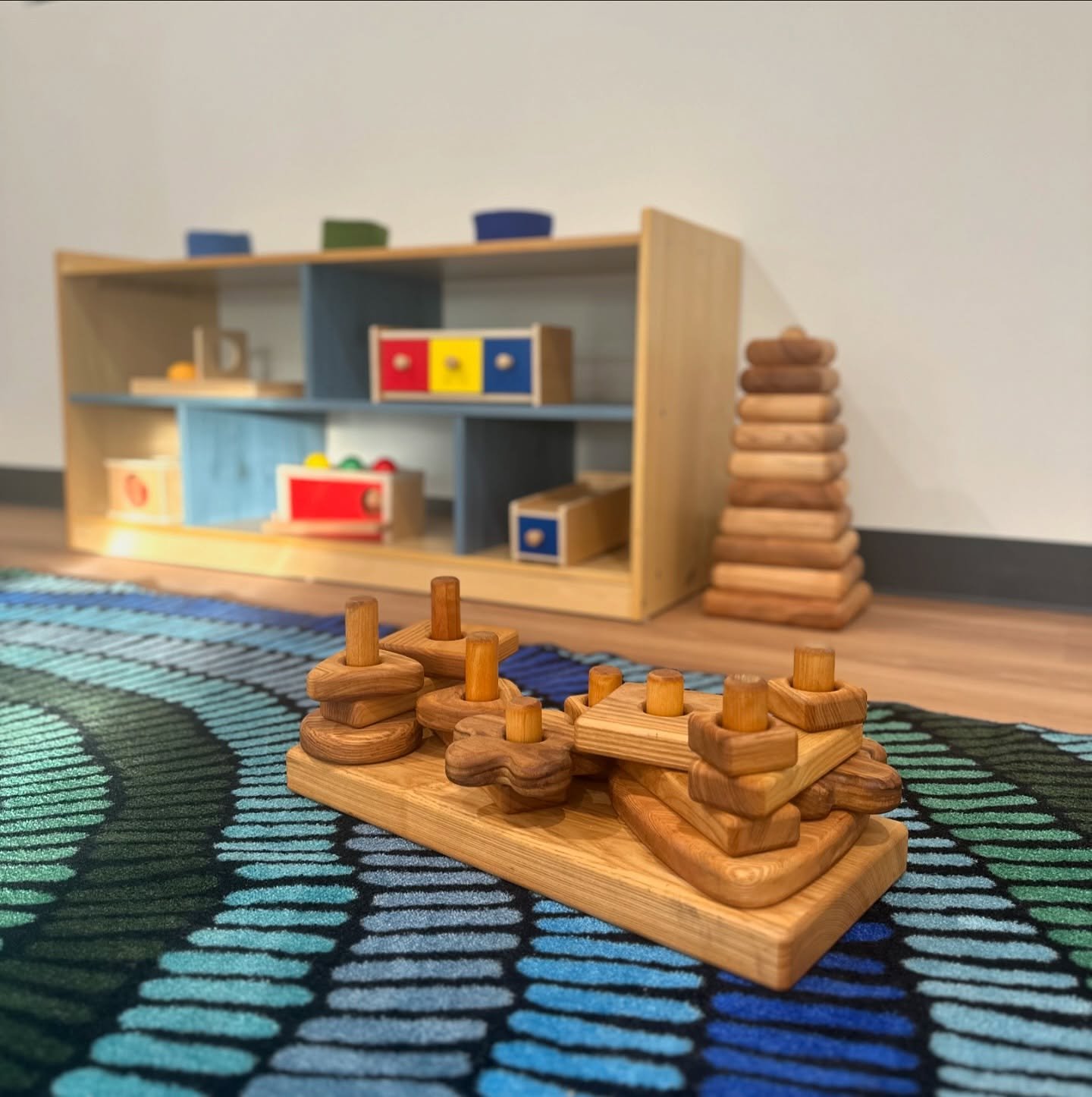
Montessori believed that children learn best in a carefully prepared environment designed to support independence and exploration. This environment is calm, structured, and filled with purposeful materials that encourage hands-on learning.
Within this space, children are free to choose activities, work at their own pace, and develop confidence, responsibility, and concentration through meaningful engagement.
Your Questions, Answered
-
Montessori childcare is an educational approach that encourages children to learn through hands-on experiences, independence, and self-directed exploration within a carefully prepared environment.
-
Montessori childcare helps children develop confidence, independence, concentration, problem-solving skills, social awareness, and a love of learning.
-
Yes. Montessori programs support early literacy, numeracy, social development, emotional regulation, and independence, all of which contribute to school readiness.
-
Children can begin Montessori childcare from infancy, depending on the program available. O'Briens Montessori Centre provides care and education for children from 6 weeks to 6 years.
-
Montessori focuses on child-led learning, hands-on materials, and independence. Traditional childcare generally follows more educator-led activities and structured group learning.
-
O'Briens Montessori Centre offers a nurturing Montessori learning environment, experienced educators, age-appropriate programs, and a strong commitment to supporting every child's growth and development.
-
Montessori is not universally better than traditional childcare. At O’Briens Montessori Centre, we are guided by the Early Years Learning Framework (EYLF), like all approved early learning services in Australia.
Montessori education focuses on child-led, hands-on learning within a carefully prepared environment, where children develop independence, concentration, and practical skills through purposeful activities at their own pace.
Traditional childcare is also typically play-based and EYLF-guided, where children learn through play, social interaction, and educator-supported experiences within flexible daily routines.
Both approaches support strong learning and development when delivered by qualified educators in a high-quality environment. The best choice depends on your child’s personality, learning style, and your family’s goals.
Why Choose Montessori Childcare?
Parents choose Montessori because it helps children develop independence, confidence, concentration, and a love of learning from an early age.
At O'Briens Montessori Centre, children learn through hands-on experiences in carefully prepared environments designed to support their natural curiosity and development. Rather than following a one-size-fits-all approach, Montessori education encourages children to learn at their own pace while building important life skills, social confidence, and school readiness.